About the division
ASTM International's Critical and Emerging Technologies (CET) Division convenes industry, government, and academia and accelerates the path to standards for the technologies reshaping the global economy. The division works primarily at the front and back ends of the standards lifecycle, in pre-standardization and post-standardization, enabling faster standards development and bringing ASTM's conformity and credibility to bear.
One model, many technologies
The same engine runs on any technology. It was proven in advanced manufacturing and it is what the division now scales.
- 1 Pre-standardizationIdentify the gaps early and move to close them
- Centers of Excellence
- Roadmaps and working groups
- Market intelligence
- 2 StandardizationConsensus, collaboration, and global reach
- Technical committees
- Joint development with ISO and other SDOs
- Balloting and adoption
- 3 Post-standardizationTurn standards into practice
- Training and certification
- Adoption support
- Capability development
- Wohlers market intelligence and advisory
- ASCET technology scans and Insights Briefs
- Data and AI programs
- 9
- Technology areas, from advanced manufacturing and artificial intelligence to commercial space
- 40+
- Research projects through the AM Center of Excellence, conducted to close standardization gaps identified by the committees
- $30M+
- In secured government funding supporting the division's work, and counting
- 35+
- Convenings across the division's workshop, conference, and competition programs
- ~25
- Countries with active ASTM cooperation supporting the division's work
- 11
- Technical committees across the portfolio, from additive manufacturing to artificial intelligence
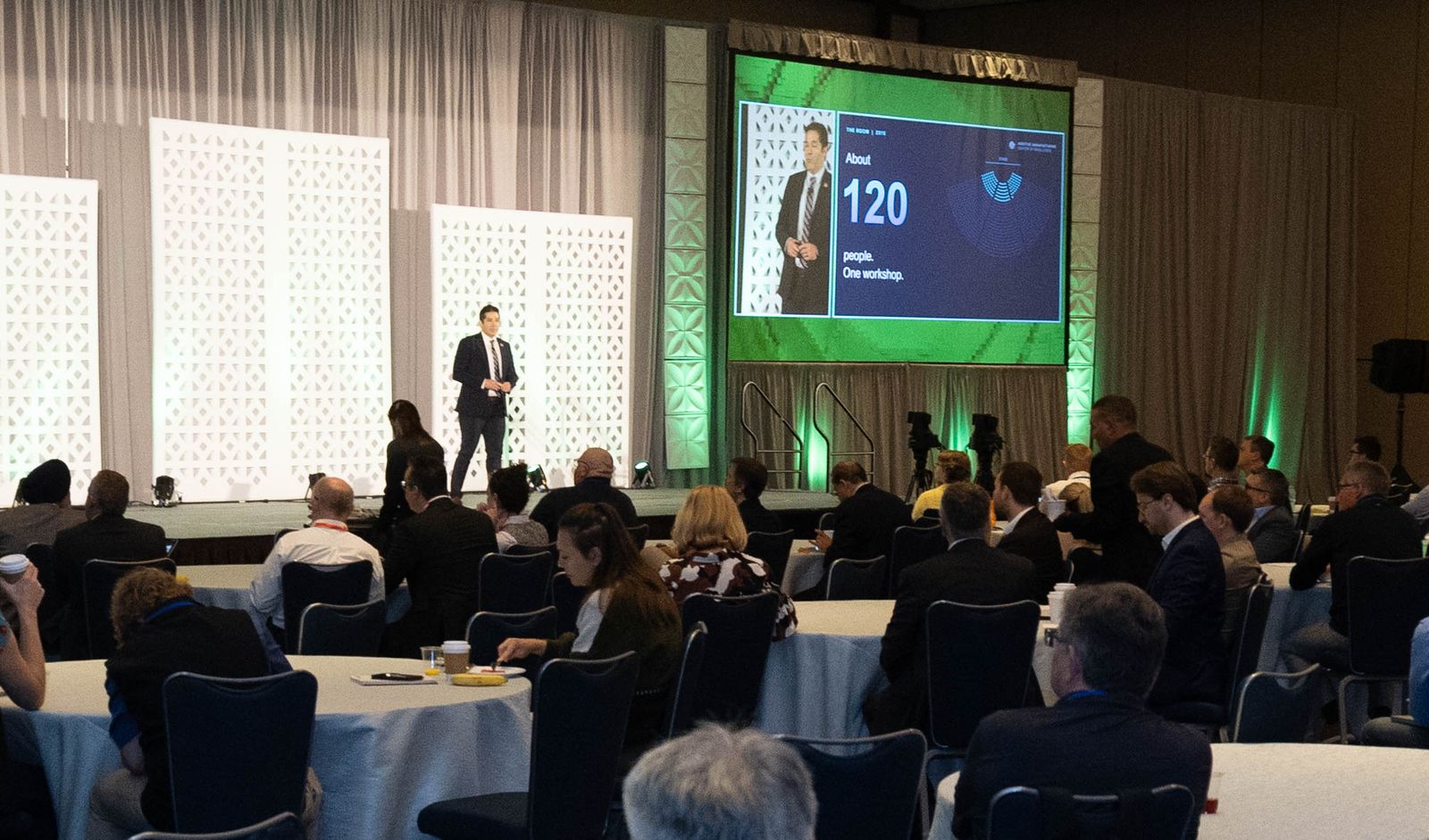
Standards get written by the people in the room
Everything the division does at the front and back ends exists to make that work count. Pre-standardization research tells committees where the gaps are before they ballot. Training and certification turn a published standard into something an organization can actually put to use. Members get there first, and they shape what the rest of the market will follow.
Work with us
Find a committee
Eleven technical committees, where the standards themselves get written.
Train and certify
Training and certification across additive manufacturing, artificial intelligence, exo technology, and autonomous aviation.
Partner on pre-standardization research
Roadmaps, gap analysis, and convening through the Centers of Excellence.
Collaborate on government funding opportunities
The division partners with organizations on government project calls and funded programs. If an opportunity fits the portfolio, reach out about teaming.
Get market intelligence and advisory
Through Wohlers Associates, powered by ASTM International.
Attend an event
Workshops, conferences, and convenings across the portfolio.